Help Us Help Your Video Vision: Getting the Video Inside Your Head and Onto Our Screens

So, you’ve got a grand vision for a video in your head. A brilliant, glittering, cinematic masterpiece of an idea. It’s bouncing around your brain like a pinball, full of lens flares, witty dialogue, and maybe a drone shot or two. But here’s the snag: you’re not a mind reader, and neither are we (unfortunately—it would save a lot of emails).
One of the biggest hurdles in corporate video isn’t the budget or the unpredictability of the British weather; it’s the “Vision-to-Brief” gap. How do you take that abstract feeling you have and convey it to a video professional so that they don’t just make a video, but one that actually captures your vision?
What do we need to do to make sure that when you see that very first edit, that it fully aligns with your expectations?
Why You Can’t Just Pick Your Video Vision From a Menu

A videos vision can’t be quantified. Your video vision is unique to you, your organisation and your goals.
In an ideal world, the process would be as simple as ordering a takeaway. We would show you a row of nice, neat boxes with video types written on them—”The Tear-Jerker”, “The High-Energy Hype Reel”, or “The Sleek Explainer”—and you would just point at the one that most aligns with your needs.
But your brand isn’t a box. It’s a living, breathing thing. Trying to jam your unique vision into a pre-defined category usually results in something that feels generic and, frankly, a bit soulless. Because we can’t just give you a menu of options, we have to dig a little deeper to understand the feeling behind the idea.
The Good News (You Don’t Need to Be a Tech Whizz To Make Your Video Vision)
Now, before you panic and think you need to enrol in film school, take a breath.
You don’t actually have to know how conjure up the final product. You just have to know what your vision is, and then hire really skilled people (hello!) to execute it.
You don’t need to know how some negative fill can be used to create a specific cinematic lighting effect.
You don’t need to have a strong opinion on how a particular velvet fabric interacts with a painted wall. You simply need to understand your vision and articulate it to the people that do.
Remember, you are not a filmmaker and you don’t need to be. Your job is the vision; our job is the execution. When you accept that, we form a symbiotic relationship where the magic actually happens.
Step 1: Start with the “Why” (The Deep Bit)
To begin, we ask clients to zoom out and look at the bigger picture.
“What is your vision for a better world and how do you help move us towards that?”
Deep, right? But seriously, if you can answer that, you’re halfway there. Whether you’re selling eco friendly laundry detergent or campaigning for legislative change, your video needs to help move your audience towards that specific vision. If you don’t know the “why,” the “how” is just pretty pictures without a pulse that simply doesn’t get the message.
Why Simply Writing A Video Script Isn’t Enough For Your Vision
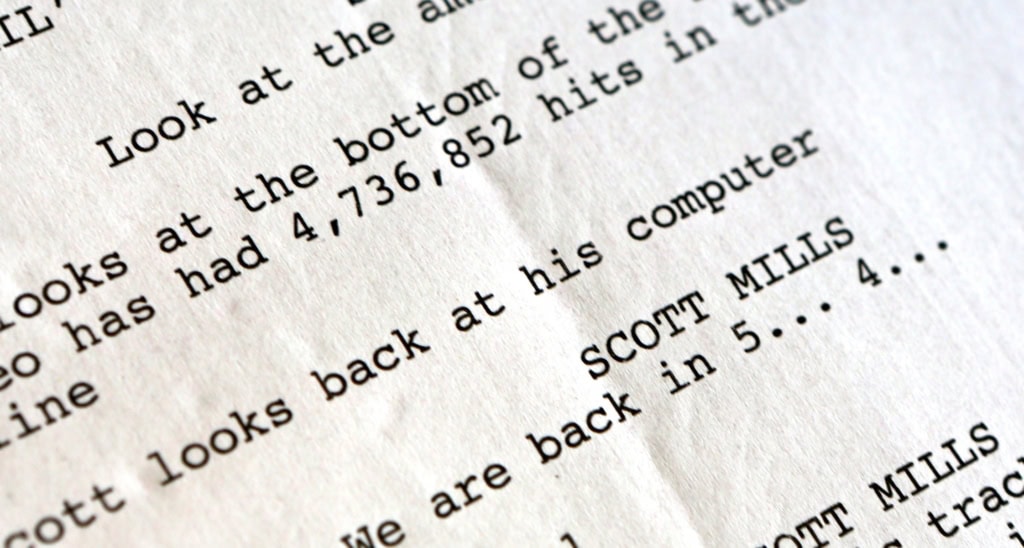
While writing a script is often the first step in transcribing a vision, a script is simply words on a page. It isn’t lighting, it isn’t pacing, and it certainly isn’t a vision. If you just hand us the script and walk away, we have to fill in the visual blanks ourselves—and our guess might be miles away from your dream. You might get something beautiful but yet lacks the storyline that it was set out to portray or doesn’t have the desired impact with the tone.
Don’t worry, we aren’t button pushers. If the script you hand us isn’t great, then we won’t produce it, we’ll help you get it to a stage where it is great. But, as we mentioned before, we’re not mind readers. We need a symbiosis of our experience and your video vision to communicate the message you want to convey.
Which leads us to Step 2!
Step 2: Create Your “Vision Video Brief” (We Make it Fun, We Promise)
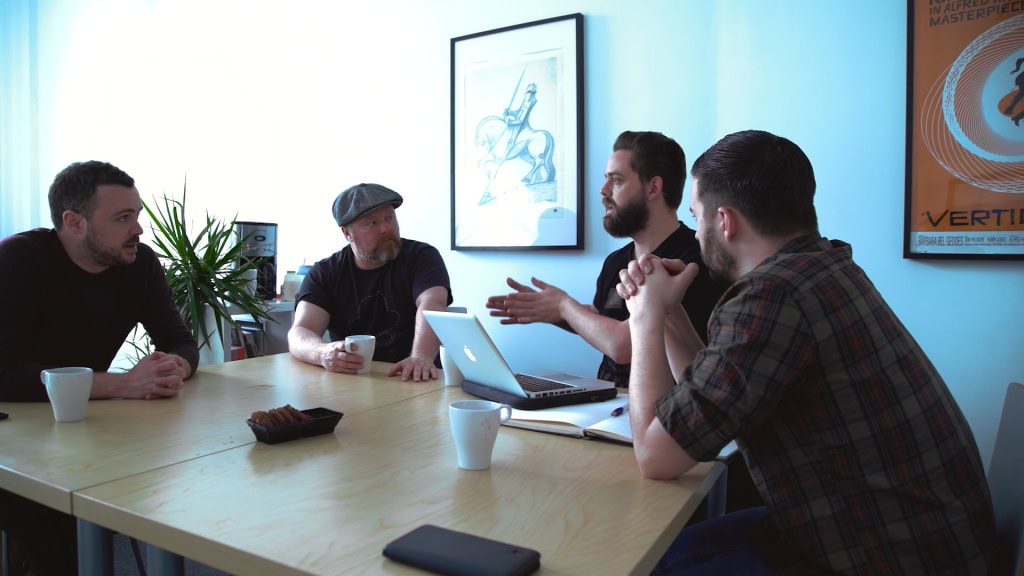
Writing a script is one thing, but what we really need to create co-operativley is a video brief!
Doing this will allows us to build and develop a mutual understanding of the project. Yes we know! “Brief” sounds like homework, but think of it as a road map to your vision becoming a reality.
Here a few key points of information we need to write it:
-
The Audience: Who are we talking to? “Everyone” is the wrong answer. Be specific. Barry from Accounts? Gen Z TikTok scrollers? Your Gran?
- Aesthetics & Tone: This is the crucial “look and feel.” Do you want moody, dramatic lighting or bright, poppy colours? Is the tone serious, sleek, and corporate, or is it informal, warm, and cheeky? (Think: Batman vs. The Great British Bake Off).
-
The Message: If the viewer forgets everything else, what is the one thing they must remember?
- Time: Translating your video vision takes time. Therefore, coming to us two and a half weeks before you need to shoot isn’t allowing for the best chance of success. Get us involved as early as possible to give us the time we need to understand your mind.
-
Distribution: Where will this video live so that it can be viewed by your target audience?
Step 3: Speak in Examples (The “Pinterest Strategy”)
So, you’ve got the vision, and we’ve got the technical skills. How do we bridge the gap? Show us! Describing visual style with words is like trying to explain the colour blue to a dog. It’s hard.
- Mood Boards: Throw together some images, colours, or fonts you love.
- Video References: “I want the energy of a Nike ad, but with the dry humour of The Office.” Send us videos that relate closely to the video vision in your head.
- Music References: It might sound strange, but music can envoke so much tone and emotion that it is a very powerful method of conveying a “feeling” or a vision. Send us music that you feel fits with the feeling you have in your head.
- Use AI: Now we’re not big supporters of AI generated video at Film Division. As a final product it’s desensitised and audiences are turned off by it. However, it’s great for concept development and pre-visualising your video vision.
- Test Footage: If time and budget allows for it, we’ll carry out test shots and lighting options. These aren’t just for our own benefit, they help give you a very good idea of the vision in our heads. Make sure ours lines up with yours.
- The “Hate” List: Sometimes it’s easier to say what you don’t want. “Absolutely no cheesy handshakes or stock footage of people pointing at whiteboards, please.”
Step 4: Don’t Pull a Vanishing Act (Be Present and Involved In Your Video Vision)
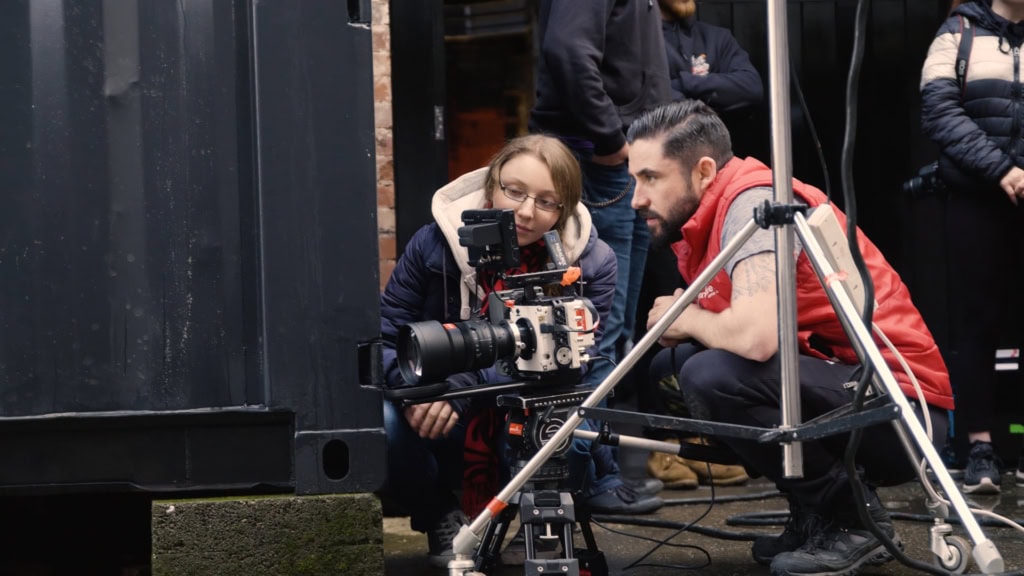
Once the video brief is “Green lit”, some clients are tempted to disappear into the sunset to work on something else and wait for the final video to arrive in their inbox. Please don’t do that.
Doing this completely avoids that symbiotic relationship we mentioned.
Our goal is to co-create a vision both parties are happy with.
To get the video you want, you need to be involved in the nitty-gritty:
Pre-Production:

This is the blueprint phase. Check the storyboards, approve the locations, and cast your eye over the test footage. If something feels off, tell us now, not after we’ve filmed it.
The Shoot:
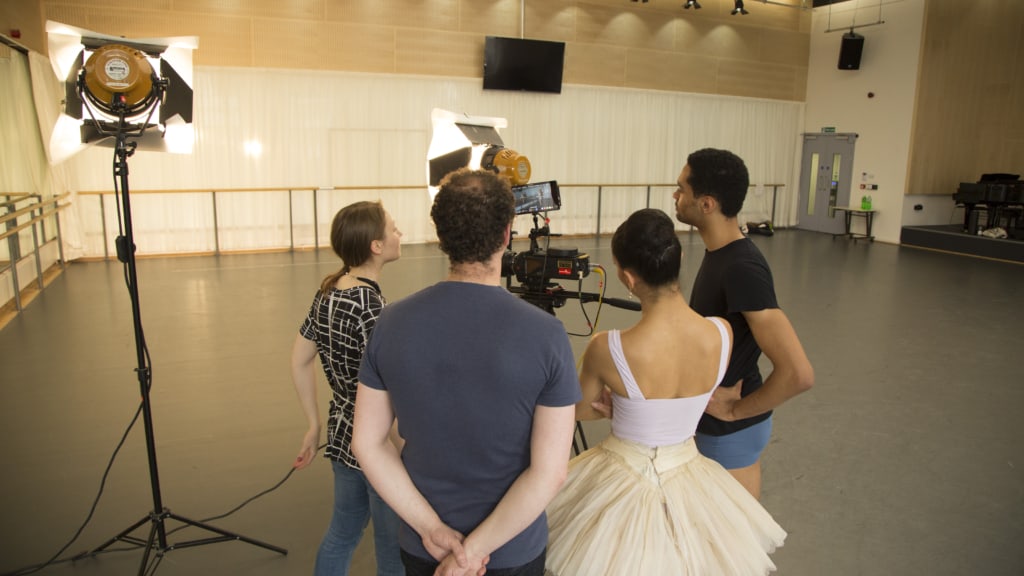
Come to the set! We love having you there. While you don’t need to worry about camera lenses, you need to be there and focused on that client monitor, to spot the things we might miss. Such as the actor not saying the line quite the way you had it in your head, or if the script phrasing sounds “un-brand.”
The Edit:
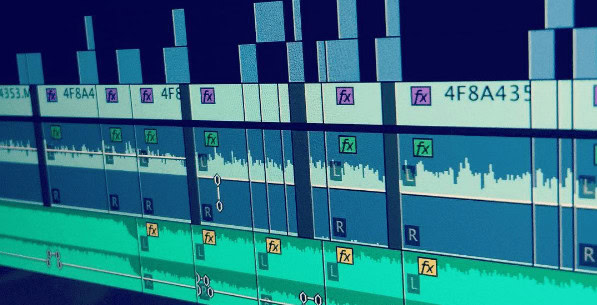
You’re more than welcome to grab a coffee and sit with us in the edit suite as we stitch your video vision together. We need your feedback. Be specific and honest. We’re building this together, frame by frame. If you weren’t able to effectivley communicate your vision beforehand though, there is only so much we can do in the edit suite without costly re-shoots to realign the footage with your vision. We can’t magically create new elements such as extra scenes or change how a character is feeling after filming has wrapped if it wasn’t in the script in the first place.
Step 5: Speak up!
Don’t be silent if things aren’t going right with the video vision in your head, or if you have a nagging worry.
If you’re there on set, looking at the client monitor and aren’t vibing with what you can see and hear. Tell us then and there that you don’t like how the camera is moving or the performance of a line of dialogue.
Think about the Risks, Implications, and Obstacles beforehand.
-
What RISKS are involved? (e.g., “Using your own staff and volunteers to save on budget.”)
-
What are the IMPLICATIONS involved? (e.g., “If the performance isn’t convincing, we lose the audience.”)
- What OBSTACLES could get in the way (e.g. “The volunteer gets frustated about the amount of takes we’re doing to get it right.”)
-
What can we do to mitigate these beforehand? (e.g., “Use actors for key roles.”)
If you keep these worries to yourself, they become expensive problems later. If you share them now, they’re just part of the plan.
Step 6: Stick with the Plan (Don’t Move the Goalposts)
We love creative spontaneity, but we’re not huge fans of logistical chaos.
Once we have locked in the logistics—honoured agreements such as locations, start times, and access to specific staff—please stick to them.
If you decide on the morning of the shoot that you actually want to film in the warehouse instead of the boardroom, or if the staff arrive an hour late, we have to stop “creating” and start “firefighting.” We have to adapt, yes, and we are good at adapting. But that adaptation takes time and energy away from the artistic side of things.
Sudden changes force us to guess more, and guessing puts your video vision in jeopardy.
Communicate your video vision early on, so that what you have in your mind is intergrated with our plan and we can focus on making you look good, not just getting it done.
Conclusion

If you take one thing away from this guide, let it be this: Video production is a translation exercise. You speak the language of your brand, your product, and your “why.” We speak the language of lenses, lighting, and pacing. The magic only happens when we sit down and translate your abstract feelings into our tangible frames.
The most successful projects we’ve ever worked on started with a conversation about a vision for a better world. They flourished because the client shared examples, admitted what they didn’t know, and trusted us with the technical heavy lifting. They succeeded because the client stayed present and communicative—checking the storyboards, visiting the set to voice any concerns, and giving honest feedback in the edit suite.
This isn’t a transaction where you buy a video off the shelf. It’s a creative partnership. It’s a symbiotic relationship where your vision fuels our artistry. When you stop worrying about “ticking boxes” and start focusing on co-creating a shared vision, that is when we can make something truly brilliant together.
Ready to Roll?
So, are you ready to get that idea out of your head and into the world? We’re ready to listen, translate, and create.
Drop us a line today. We’ll put the kettle on.