The Film Division Approach to Video Interviews
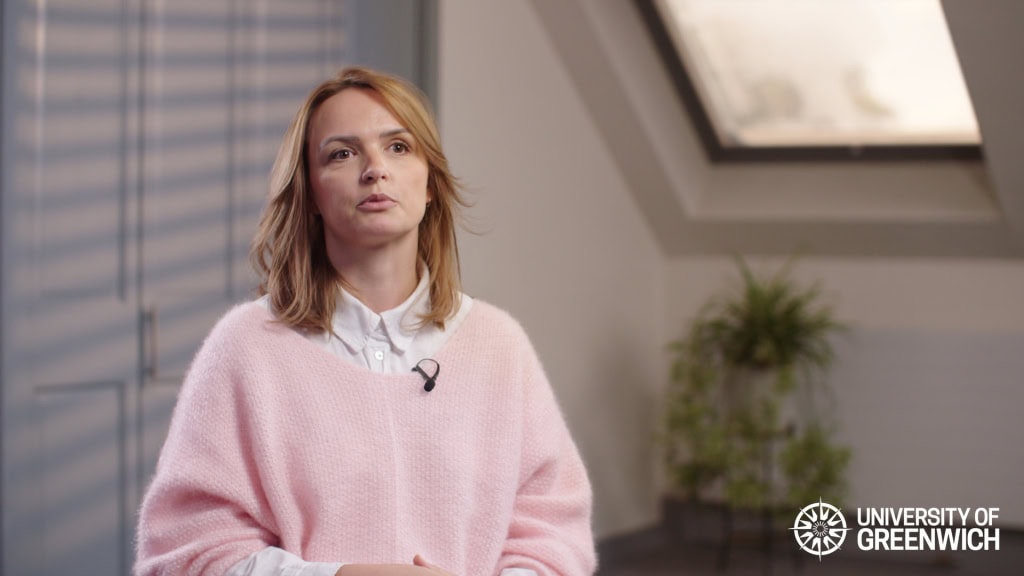
At Film Division, we believe that video interviews are far more than a simple Q&A sessions; it is the heartbeat of any compelling story. Video interviews capture more than just talking heads; they capture authenticity, context, and emotion. To achieve this, we apply a rigorous, cinematic philosophy to the video interviews we film.
The Preparation
We take research seriously. Before we ever step on set, we have done our homework on the subject matter. However, once the camera rolls for a video interview, we intentionally set aside some of that expertise to adopt an approach similar to documentary styles used by figures like Louis Theroux.
We operate on the principle of being “professionally unassuming”. If the interviewer appears to “know everything,” the conversation risks becoming shorthand and exclusionary. Instead, we play the role of the curious novice. We ask the simple, sometimes obvious questions that allow the interviewee to explain their world from the ground up. This technique disarms the contributor and encourages them to break down complex ideas in a way that viewers can emotionally and intellectually connect with.
The Pre-Video Interview Chat
We make an effort to have a quick, informal chat with our interviewee a few days before the shoot. This isn’t the interview itself! It’s a chance to build rapport and understand the main plot points of their story. We’re careful to not go too deep into the emotional stuff. We save those fresh, authentic reactions for the first time on camera.
Authenticity Over Authority
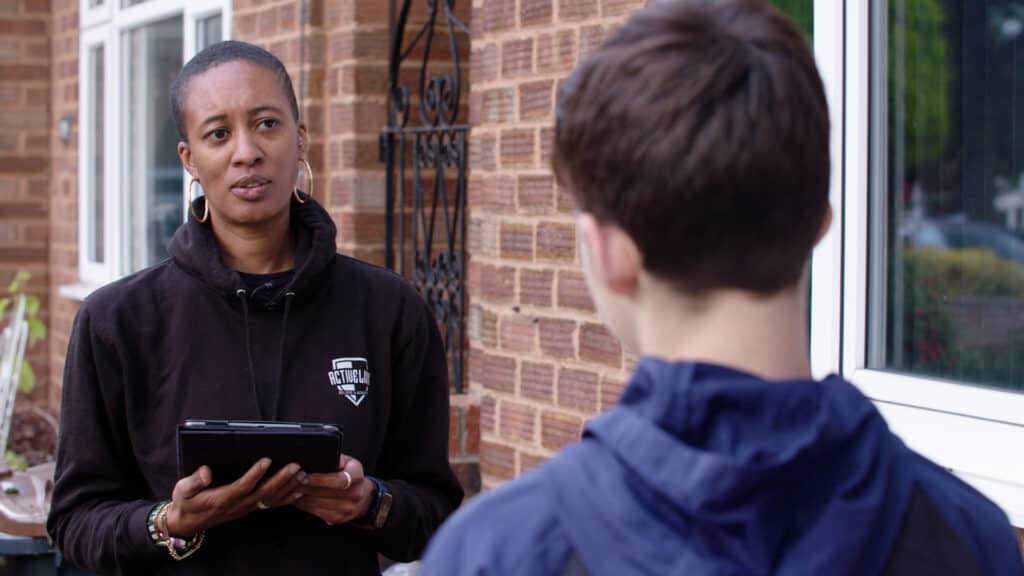
We are meticulous about who we put in front of the lens for our video interviews. We resist the urge to automatically select the most senior person and instead prioritise those with genuine experience.
A line manager may be well-spoken, but if they didn’t execute the project, they can only report the facts. We seek out the person who lived and breathed the problem for months. We want the passion, the struggle, and the triumph that comes from first-hand experience. When you compromise on the contributor, you compromise the core of the story.
Location is King
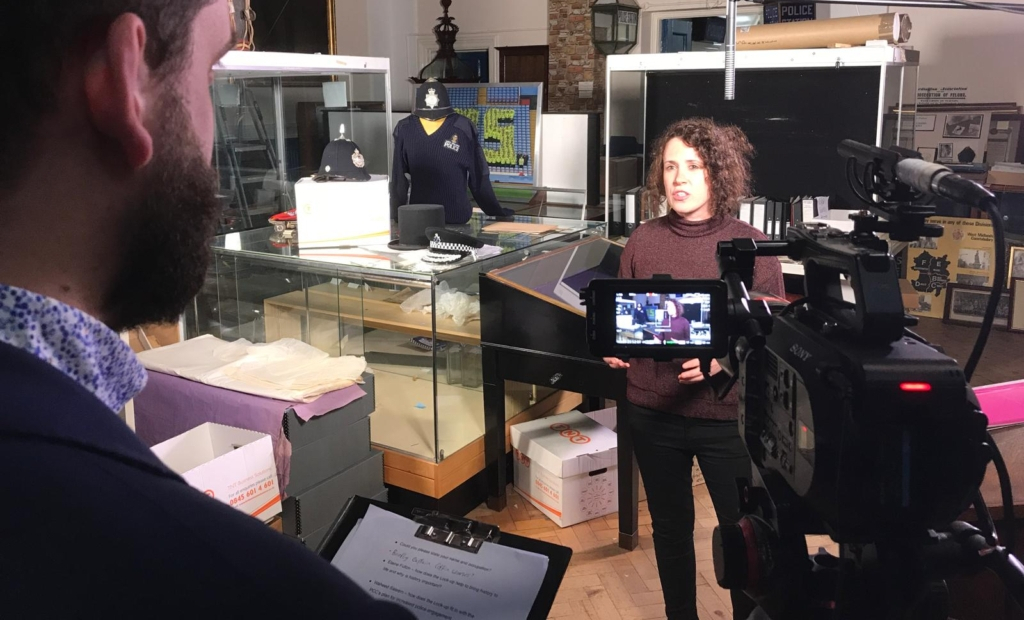
We actively avoid defaulting to tiny, plain white meeting rooms for video interviews. Beyond being visually uninspiring, small spaces lack cinematic depth and are often plagued by audio echo that dampens the quality of the final product. We take this principle further: it is not just about finding a “nice” space; it is about finding the right space. In a high quality video, the location must provide context and amplify the speaker’s message.
Consider the difference context makes. If a Head Chef is discussing a new sustainable menu, a quiet office might be convenient, but it is sterile. The message becomes infinitely more powerful if we conduct the video interview in the kitchen during prep, with the steam and energy of the pass visible in the background.
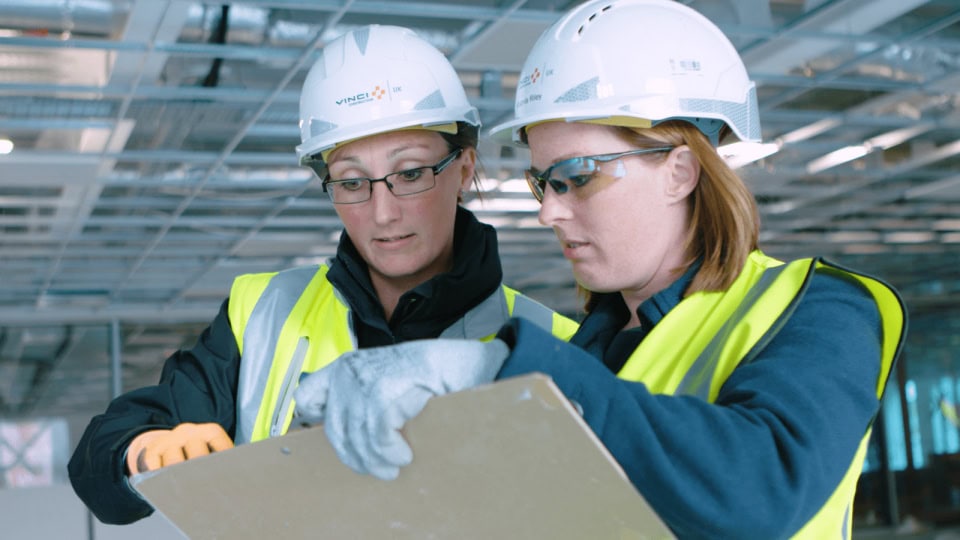
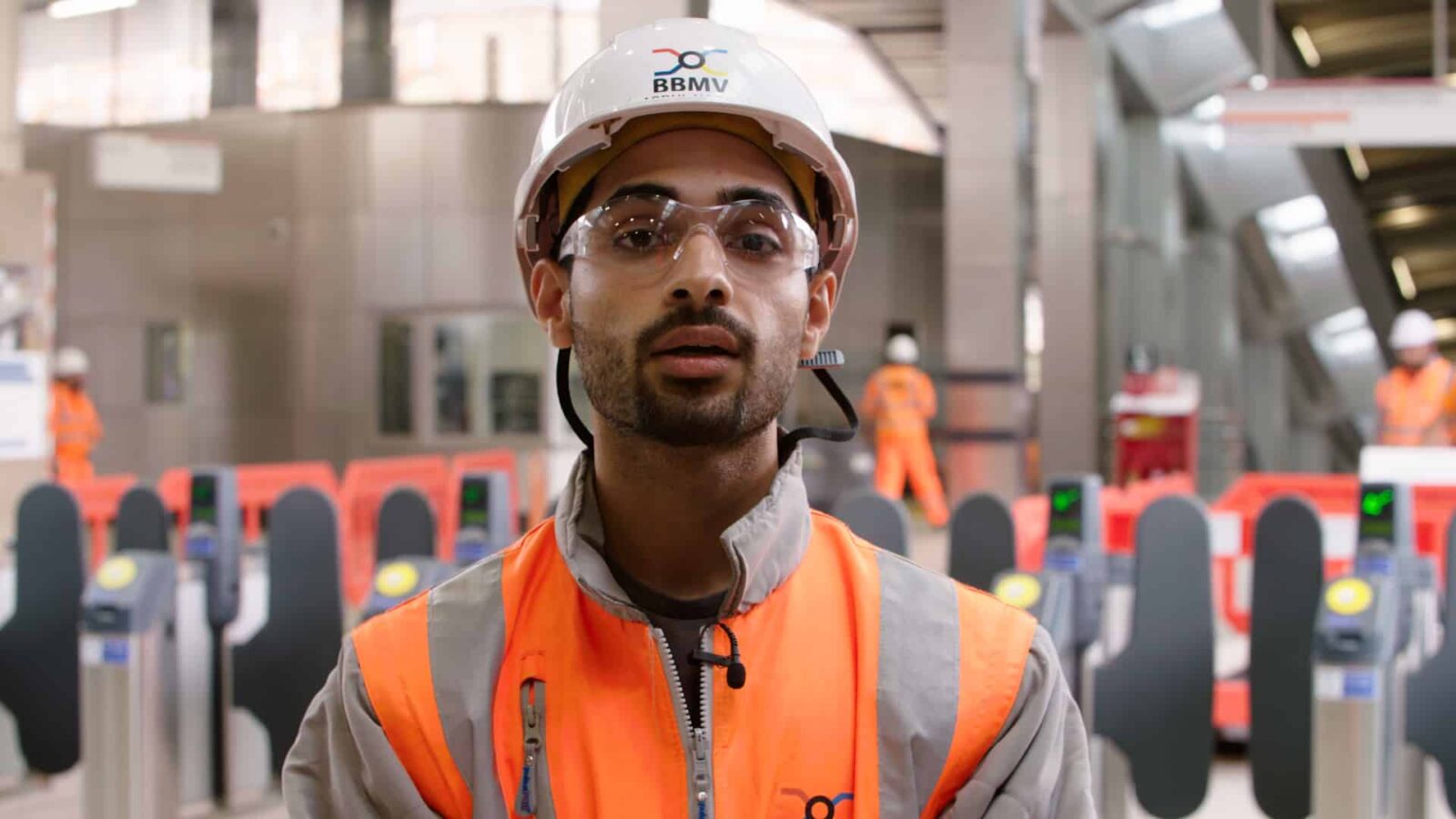
Similarly, if a Lead Architect is explaining the vision behind a new development, the boardroom is the wrong place to be. We would position them on the construction site itself, hard hat in hand, with the steel frame rising behind them. While shooting on location presents challenges, we embrace them because the payoff in authenticity is immeasurable.
The Right Atmopshere For Video Interviews

Conducting powerful video interviews requires a considerable amount of time and technical finesse. We never rush the process; in fact, we often dedicate an entire filming day to captuing them for the interviewee’s comfort. We create a setting with minimal interruptions by limiting the number of people on set. Having a boss or colleagues watching can make an interviewee feel judged; we want them to feel safe enough to offer answers that come from the heart, rather than a pre-written script.
We create an environment where the technology fades away. This allows us to move beyond a rigid list of questions and foster a genuine conversation, peeling back the layers to uncover the unexpected insights that truly resonate with an audience.
Conducting Video Interviews
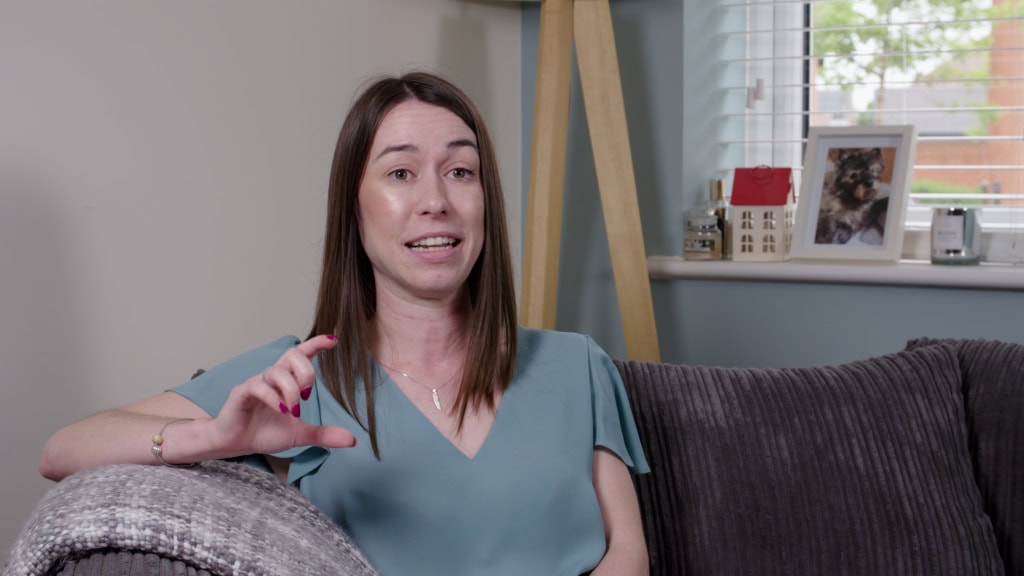
Every good story has a beginning, a middle, and an end. What journey are you taking the viewer on? Having a clear direction for the interview helps you guide the conversation. You’re not just asking random questions; you’re helping them tell their story in a way that serves the final film.
When our interviewees arrive, we spend at least ten minutes just hanging out, asking them how their day is going, what they’re working on, or about their exercise routine to let their nerves settle. We make them feel like they’re meeting a friend, and the whole process will feel less like an interrogation.
We never, ever tell someone to “just relax” or “act normal.” It just adds pressure. It’s our job is to create an environment where they naturally feel comfortable. It’s about your actions, not your instructions.
The biggest mistake amateur video interviewers make is reading questions from a list. Imagine talking to a friend who’s just staring at their phone – you wouldn’t feel very engaged, would you?
Of course, we have questions prepared, but we put the notes aside. We make eye contact, actively listen and let the conversation flow naturally. A great interview is a conversation, not a checklist.
If someone gives a long, rambling answer full of detail, that’s okay! We let them get it out. For the edit, we ask them to summarise that main point in one or two sentences. This is how we get those perfect, punchy soundbites in our video interviews.
People are always a bit tense at the start of an interview. At the end, once they’re fully relaxed, we ask some of the initial questions again. We often get a much more genuine and refined answer the second time around.
The Two Types of Video Interview Questions: Information vs. Emotion
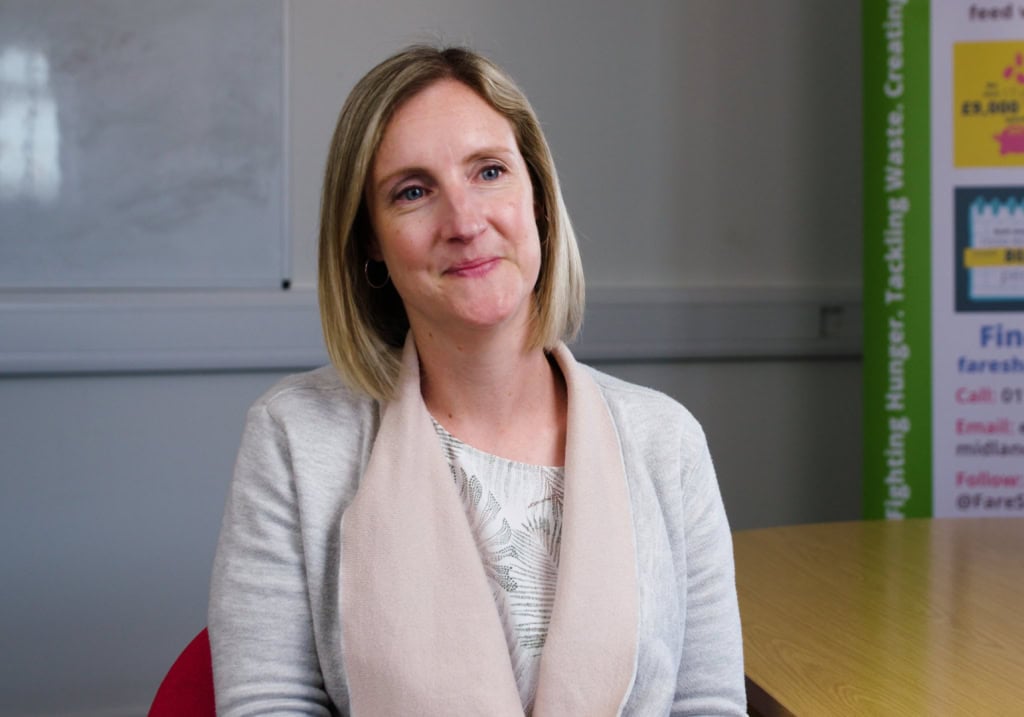
Every question we ask falls into one of two categories:
-
Information Questions: These are the nuts and bolts. The “who, what, when, where.” They provide the context for the story. Example: “What happened on the day of the product launch?”
-
Emotion Questions: This is where the gold is. These questions explore the human experience. We use powerful phrases like, “What was going through your head at that moment?” or “How did that make you feel?” The most powerful follow-up question we have is simply, “Why?”
A great interview balances both. Too much information, and it’s dry. Too much emotion without context, and it’s confusing.
The Power of the Pause
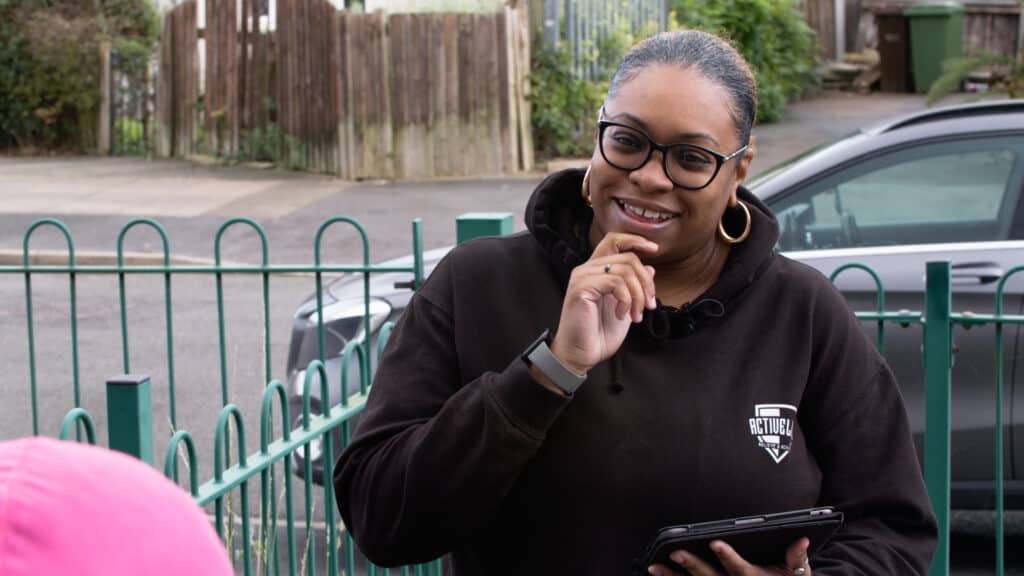
This one feels awkward, but trust us, it works. After someone finishes their answer, we don’t immediately jump in with the next question. We just pause and wait a few seconds. More often than not, the interviewee will feel the need to fill the silence and will offer up a deeper, more thoughtful insight. Interrupt, and we’re subconsciously telling them what they said wasn’t important. Patience pays off.
The Big Takeaway With Video Interviews
Conducting a truly compelling video interview is a complex skill. It’s a blend of in-depth research, psychological savvy, conversational grace, and a constant eye on the final story. It’s about making someone feel so comfortable that they forget the lights, the camera, and the pressure, and just… talk.
We believe that great video interviews are not defined by the camera we use, but by the connection we create. It is about stripping away the artifice to reveal the genuine passion and expertise of your organisation’s cause. This approach takes time, planning, and a combined effort, but at Film Division, we believe it is the only way to create content that truly resonates.
Ready to capture your team’s stories with authenticity and style?
Get in touch with us today, and let’s talk about how we can make your next video project shine.